Avian botulism
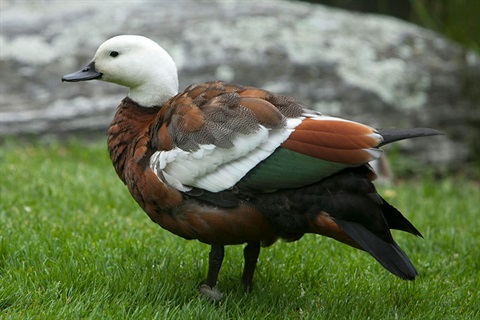
Avian botulism is an often-fatal disease that affects birds in Aotearoa.
It is caused by toxins produced by naturally occurring bacteria called Clostridium botulinum.
These toxins develop in warm, still water where oxygen levels are low and organic material is breaking down.
In non-flowing water bodies, pollutants and organic matter can become concentrated during the warmer months of the year, causing bacteria to thrive.
Non-flowing water bodies could include wastewater treatment ponds and stormwater retention ponds, as well as dams, natural ponds, wetlands and coastal environments where water isn’t continually flushed out.
How it spreads
Birds can become infected when feeding on invertebrates, such as maggots, which have fed on the bacteria.
The disease then spreads through a cycle whereby an infected bird dies, flies lay eggs on the carcass, and another bird eats the infected maggot.
The bacteria are rarely harmful to people, and humans are unlikely to be exposed because we do not have close contact with, or feed on, decaying materials, such as fish or bird carcasses.
What we are doing about it
Careful management and ongoing compliance of our dams, stormwater retention ponds and wastewater ponds mean instances of avian botulism in these areas are rare.
Where signs of avian botulism are detected near our ponds or dams, we work closely with the Department of Conservation, local hapū and Fish & Game, taking swift action to help reduce the risk of it spreading.
This includes measures such as:
- increasing inspections
- removing and burying any dead birds to help break the maggot cycle
- removing live birds showing signs of illness for rehabilitation
- installing warning signs in affected areas where members of the public and their pets may visit.
What you can do
Where there are signs of an outbreak:
- Avoid contact with the ponds.
- Do not attempt to handle or remove dead birds.
- Keep pets away from the water’s edge or any dead animals.
- Report it to us at Whangarei District Council:
Phone: 0800 932 463
It is also important to avoid feeding the birds and to pick up and dispose of pet waste appropriately. Bread and pet waste promotes the growth of the botulism bacteria.